


Mothering in All Its Intensity: Navigating Change, Stress, and the Mental Load

“Qualified Psychotherapist & Motherhood Studies Coach Natasha Crowe discusses the constant juggle and ever evolving demands of motherhood, plus the importance of support and connection.”

‍

Now as the school term is well under way, summer is a distant memory and the year edges towards its final chapters, many Mothers find themselves juggling more than ever. The shift back into routine brings with it early mornings, school runs, homework battles, packed lunches, and the emotional demands of transitions, whether that’s a little one starting nursery, a teenager facing exams, or a new development stages with your baby. And looming on the horizon are countless calendar events Halloween, Christmas or other annual festivals, and with them the burden of the planning, the financial pressures and the invisible labour of making those events magical.
For many Mothers, this time of year becomes a balancing act of budgets, expectations, and pushing emotional bandwidth. The load is not just physical, it’s mental and emotional too, and it weighs heavily.

‍

The Weight of Intensive Mothering

"Intensive mothering is demanded by society, yet undervalued by it." – Adrienne Rich

Mothering, in every chapter of life, carries an intensity that is often unseen. For new Mums, the early weeks and years are especially profound; the lack of sleep, the aching body, the hormonal rollercoaster, the sheer physicality of birth recovery while caring for a newborn can feel overwhelming. Every feed, every nappy change, every night spent half-awake builds a new rhythm of life that centres entirely on the baby.

In those moments, the act of mothering itself becomes all-consuming, the giving, soothing, holding, and responding, all while navigating an identity shift into this new role of “Mother.”
Many women describe it as pouring endlessly from a cup that is already empty, caring when there’s very little left in the tank. The emotional weight of this early chapter is often underestimated, yet it sets the stage for how Mothers experience care, connection, and the value of their own wellbeing moving forward.

For those with older children, the intensity shifts but never diminishes, it becomes emotional rather than physical. It’s the constant worrying, guiding, boundary-holding, and absorbing of their storms. You become the planner, organiser, and emotional anchor, even as your own reserves run dry.

What unites Mothers at every stage is the constancy. It is beautiful and deeply meaningful, but it can also feel like losing sight of yourself. ‍

The Loss We Don’t Always Name

In therapy and coaching, one theme emerges again and again: loss of autonomy. The freedom to rest, to choose, to simply be without interruption. Even surrounded by all the love and joy, many Mothers quietly grieve the pieces of life no longer solely their own.

Whether you are adjusting to early motherhood, balancing the multiple roles of carer, worker, partner, and friend, or navigating the shifting identities of older children, the overwhelm is real. It’s not just logistics, it’s the emotional toll of constantly adapting, planning, and anticipating.

Furthermore, for Mothers raising children with additional needs, or those parenting alone, this intensity can be even greater. The advocacy, the extra planning, the added financial pressures, all layered on top of the everyday demands, require extraordinary resilience.


‍

Why Is It So Hard?

"Because the truth is: we were never meant to do it all alone."

Once, motherhood was supported by a village; a network of family and community where care was shared and no one woman carried the entire burden. Today, many Mothers find themselves without that scaffolding, and yet we are told to juggle it all - work, childcare, housework, relationships, while making it look effortless.

But the system is flawed. Affordable childcare, flexible working, financial security, and recognition of the invisible labour of mothers are still missing for many families. When Mothers feel exhausted, guilty, or unseen, it is not a personal failing by them, but a human response to an impossible expectation.
‍

Adapting to Change

As routines shift and the pressures of the year gather momentum, it is important to pause and acknowledge what you are carrying. It could be the school return, your new baby, the lead-up to Christmas, the financial worries or the hidden lists in your head. Whatever it is, these all add layers to your mental load.

Motherhood is layered, messy, and unrelenting. Yet within it lies an invitation: to remember your own needs and to create space for yourself. Even five quiet minutes matter. They are not indulgence - they are survival.

Rebuilding the Village

Connection is not a luxury, it’s a lifeline. Building your own “village,” whether through friendships, community groups, family, or professional support, is essential. Sharing the load, finding spaces where you feel seen, and asking for help is how we begin to reclaim balance.

Self-compassion must also play a role. You are not failing if you cannot do it all, you are human. The very act of noticing your limits and choosing to soften, rest, or ask for support is a radical step in rewriting the narrative of motherhood.


Final Thought

Motherhood was designed to be shared, supported, and valued. While our internal systems may have forgotten this, we don’t have to. By leaning into connection, loosening the grip of perfection, and allowing rest and compassion, we begin to change the story.

You are not “just coping”. You are carrying an extraordinary weight in extraordinary circumstances. And you deserve care, support, and space just as much as the ones you nurture.

So, remember that mothering will always stretch us. But within that stretch lies growth, resilience, and the chance to rediscover who we are becoming, alongside the children we are raising.

Checklist:
  • Self-compassion is essential: you cannot pour from an empty cup.
  • Building your village (community, friendships, professional support) is a lifeline, not a luxury.
  • Even 5 minutes of rest or grounding practice makes a difference.
  • New beginnings aren’t just for children - Mothers can create them too.
  • Connection and support change the narrative of motherhood.
  • Three Tips to Ground and Slow Down   1. Pause and Breathe   Set a timer for 1–2 minutes. Place your hand on your chest, close your eyes, and take slow breaths in through your nose, out through your mouth. Imagine each exhale releasing some of the load you’ve been holding.   2. Name Three Things   Ground yourself by noticing your senses:   3 things you can see   2 things you can hear   1 thing you can feel in your body  This simple practice brings you back to the present moment and out of the swirl of “what’s next.”   3. Claim a Small Pocket of Time   Give yourself 10 minutes each day that is yours alone, whether that’s sitting with a cup of tea, journaling, stretching, or a short walk outside. Protect it like you would a child’s appointment, because your needs matter too.   Remember: slowing down is not a luxury, it’s essential. By grounding yourself, you refill your tank and create the steadiness your family needs.
Written By:
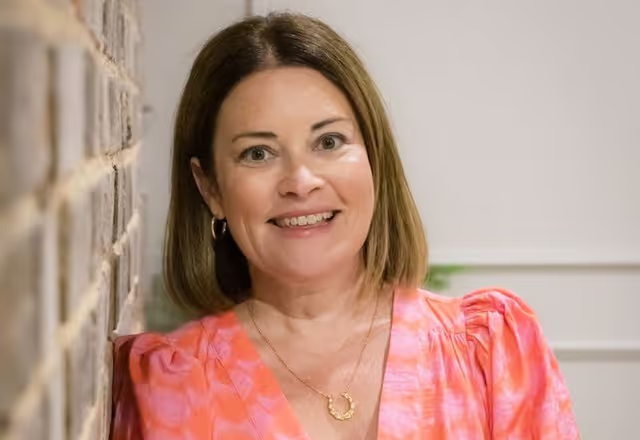
Natasha Crowe
Hi, I run Natasha Crowe Therapy and I am a qualified Psychotherapist & Coach with practices in both London and Hertfordshire. My aim is to help people overcome their personal obstacles by inspiring and facilitating changes in their daily lives.

https://www.natashacrowe.com/

Further Reading:

‍

Mother Brain: How Neuroscience Is Rewriting the Story of Parenthood – Chelsea Conaboy (2022)
Groundbreaking science on how parenthood reshapes the brain.

‍

The Cultural Contradictions of Motherhood – Sharon Hays (1996)
Examines “intensive mothering” and how societal expectations shape modern parenting.

‍

Of Woman Born: Motherhood as Experience and Institution- Adrienne Rich (1976) – A seminal feminist text exploring the difference between the lived experience of mothering and the societal/political institution of motherhood.

‍

The Mommy Myth – Susan Douglas & Meredith Michaels (2004)
A critique of how media representations have created impossible ideals for mothers.

‍

Dr Sophie Brock is a Motherhood Studies Sociologist whose work examines how motherhood is socially constructed, how mothers navigate identity, and how cultural expectations shape the experience of mothering.

‍

The Good Enough Mother podcast (TGEM), where she interviews experts to unpack motherhood, challenge myths, and make research accessible.

‍

Matrescence: On Pregnancy, Childbirth, and Motherhood is by Lucy Jones.